

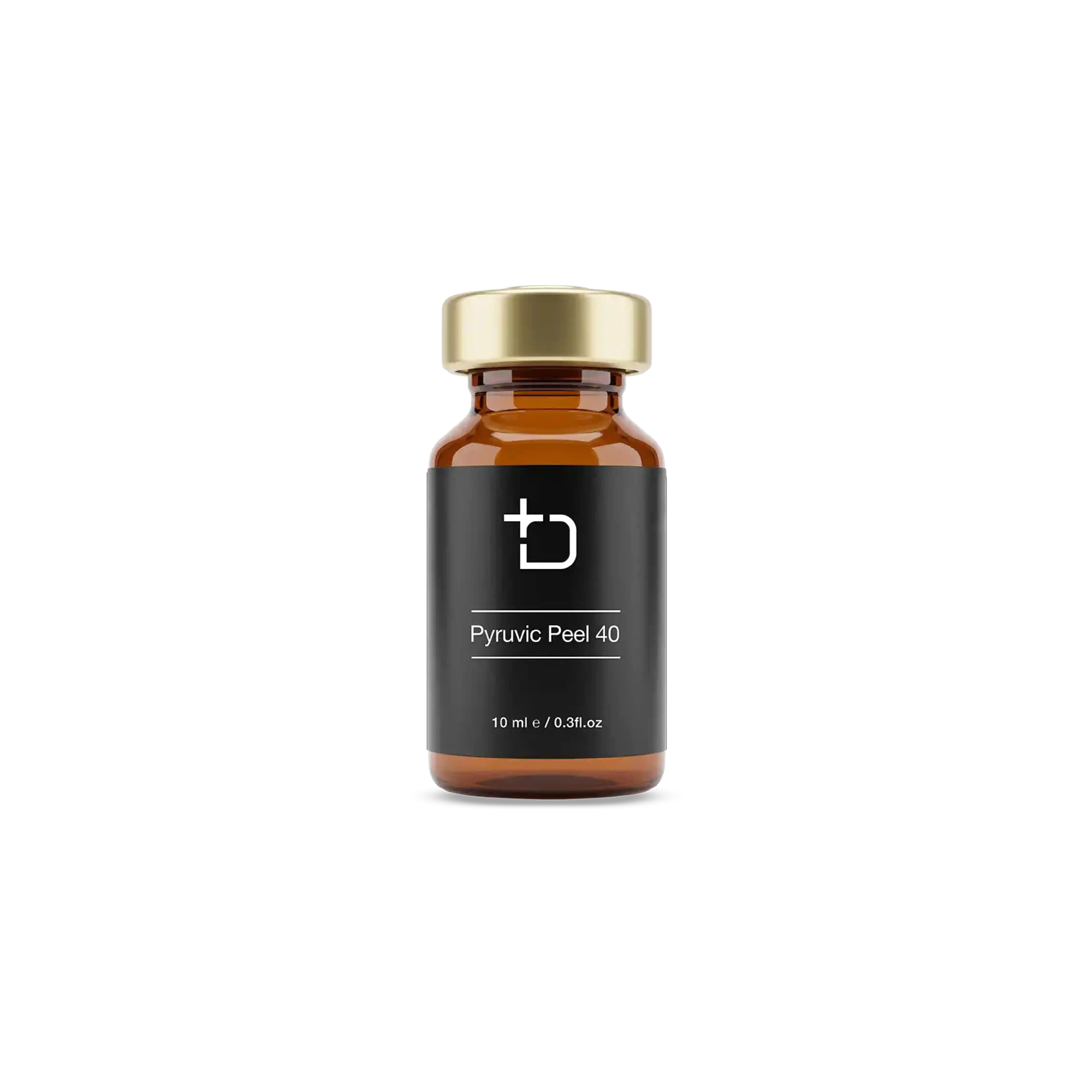
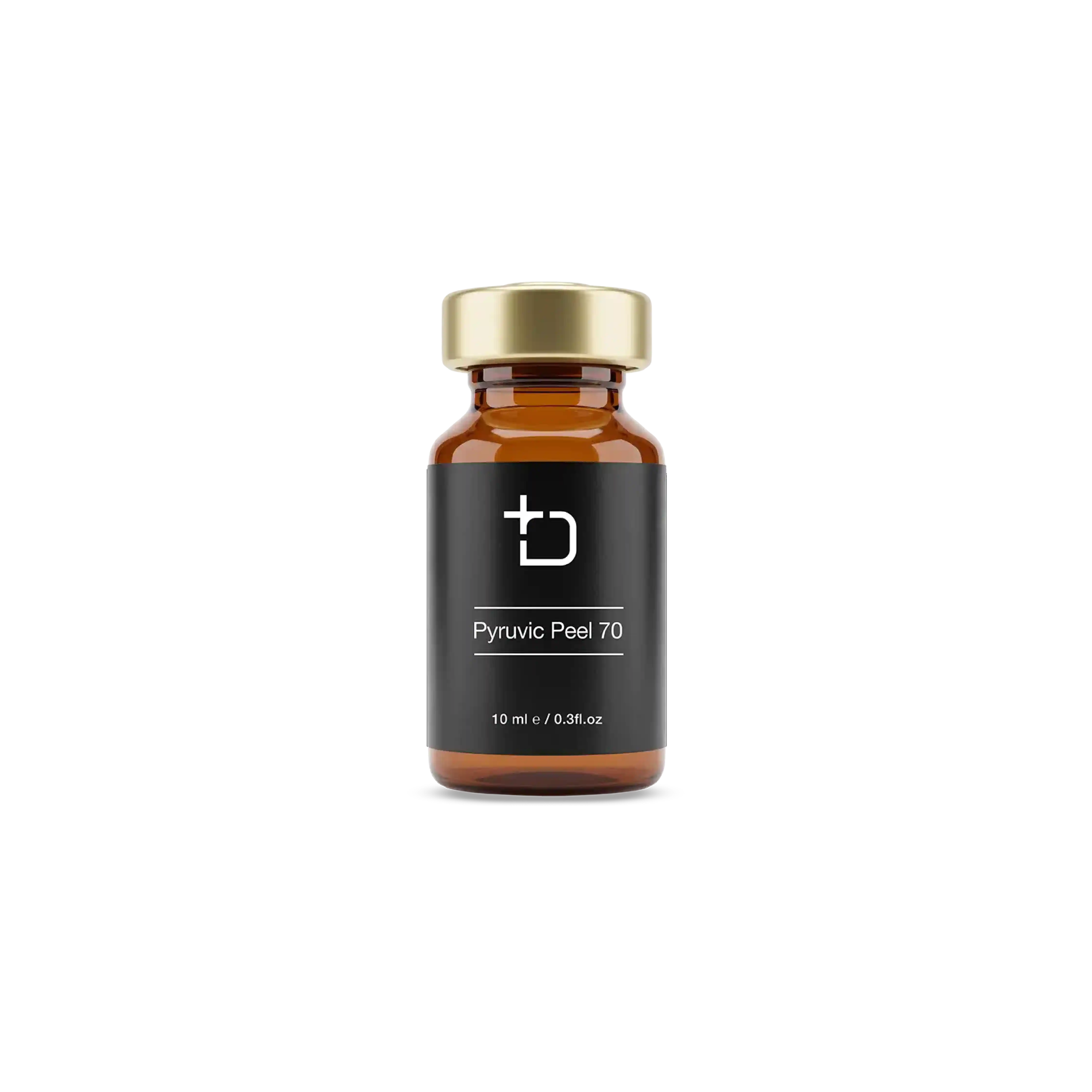


Follicular Resurfacing Peel
Please login to view the price
login
Regulate Sebum (oil)

Rough Skin

Even Skin Tone

Anti-Aging

Unclog Pores
Superficial to medium-depth peel with keratolytic, sebostatic, and collagen stimulating action.
The Pyruvic Acid Peel is indicated for skin presenting with excess oil, congestion, breakouts, uneven texture, and early signs of photoaging, where sebaceous overactivity, follicular obstruction, and slowed epidermal renewal contribute to visible skin irregularities. Formulated with a high-performance alpha-keto acid, this peel promotes controlled exfoliation while supporting sebum regulation, improved pore clarity, and accelerated epidermal renewal, resulting in smoother, more refined-looking skin.
Pyruvic acid also stimulates dermal activity, supporting collagen and elastin production while assisting in the gradual improvement of pigmentation irregularities, post-acne marks, and textural concerns.

Pyruvic Acid: 40%
Pyruvic acid, an alpha-keto acid naturally produced during cellular metabolism, is widely used in dermatology and aesthetic medicine for its powerful resurfacing, sebostatic, and antimicrobial properties. Due to its small molecular size and lipophilic character, pyruvic acid penetrates efficiently through the epidermis and into sebaceous follicles, making it particularly effective in treating oily and acne-prone skin conditions.
Once applied to the skin, pyruvic acid induces controlled keratolysis by disrupting corneocyte cohesion within the stratum corneum. This process accelerates epidermal turnover, facilitating removal of compacted keratinocytes, improving skin texture, and promoting a clearer, more refined complexion. In addition to its exfoliating action, pyruvic acid exhibits sebostatic activity, helping regulate excessive sebum production and reducing the oily environment that contributes to follicular obstruction.
A unique characteristic of pyruvic acid is its in situ conversion to lactic acid within the skin, which contributes to additional hydration and supports barrier function while maintaining effective resurfacing activity. Pyruvic acid has also demonstrated antimicrobial effects against acne-associated microorganisms and stimulates dermal remodeling through activation of fibroblasts and increased synthesis of collagen and elastic fibers.
The dermatologic benefits of pyruvic acid have been documented in clinical studies evaluating its use in acne, seborrhea, photoaging, and superficial scarring. Through a combination of keratolytic, antimicrobial, sebostatic, and dermal-stimulatory mechanisms, pyruvic acid contributes to visible improvements in skin clarity, texture, and overall skin rejuvenation.
Physiological Effects
- Keratolytic Action: Pyruvic acid disrupts corneocyte cohesion within the stratum corneum, promoting controlled desquamation and accelerated epidermal turnover. This facilitates removal of compacted keratinocytes and improves overall skin texture and clarity.
- Sebostatic Activity: Pyruvic acid penetrates sebaceous follicles and reduces excessive sebum production, helping to normalise sebaceous gland activity and limit the oily environment associated with follicular congestion.
- Antimicrobial Activity: Pyruvic acid exhibits antimicrobial effects against acne-associated microorganisms, contributing to reduction of bacterial proliferation within the follicular environment.
- Dermal Stimulation: Controlled epidermal injury induced by pyruvic acid stimulates fibroblast activity within the dermis, promoting synthesis of collagen and elastic fibers and supporting improvement in skin firmness and fine lines.
- Epidermal Renewal: By accelerating epidermal turnover, pyruvic acid promotes regeneration of newly formed keratinocytes and replacement of damaged or photodamaged epidermal cells.
- In Situ Conversion to Lactic Acid: Following penetration into the skin, pyruvic acid is partially converted in situ to lactic acid. This metabolic conversion contributes additional hydrating and mild exfoliating effects, supporting overall skin conditioning during the resurfacing process.
Managing Dermatological Conditions
- Acne Vulgaris: Pyruvic acid plays an important role in acne management through a combination of keratolytic, sebostatic, and antimicrobial effects. By reducing follicular hyperkeratinisation and regulating sebum production, it helps prevent microcomedone formation while limiting bacterial proliferation within sebaceous follicles.
- Seborrhea & Oily Skin: Pyruvic acid exhibits sebostatic activity by reducing excessive sebum production within sebaceous glands. This helps restore balance in oil-prone skin and reduces the environment that contributes to follicular congestion and inflammatory breakouts.
- Photoaging: Through controlled epidermal renewal and stimulation of dermal fibroblasts, pyruvic acid supports improvement in photodamaged skin. Increased collagen and elastic fibre synthesis contribute to enhanced skin firmness and reduction in the appearance of fine lines.
- Post-Acne Scarring: By promoting dermal remodeling and stimulating collagen synthesis, pyruvic acid assists in improving the appearance of superficial acne scars and irregular skin texture.
- Hyperpigmentation & Dyschromia: Accelerated epidermal turnover facilitates removal of melanin-containing keratinocytes, contributing to gradual improvement in superficial pigmentation irregularities and uneven skin tone.
- Rough & Uneven Texture: Through keratolysis and improved epidermal renewal, pyruvic acid refines surface irregularities associated with compacted stratum corneum and impaired desquamation.
References
- Berardesca, E., Cameli, N., Primavera, G., & Carrera, M. (2006). Clinical and instrumental evaluation of skin improvement after treatment with a 50% pyruvic acid peel. Journal of Cosmetic Dermatology, 5(2), 134–140.
- Chilicka, K., Rogowska, A. M., Szyguła, R., Dzieńdziora-Urbińska, I., & Taradaj, J. (2020). A comparison of the effectiveness of azelaic and pyruvic acid peels in the treatment of female adult acne: a randomized controlled trial. Scientific Reports, 10, 12612.
- Keisham, C., et al. (2022). Efficacy and tolerability of 40% pyruvic acid peel in the treatment of acne vulgaris. Journal of Cosmetic Dermatology.
- Jankowska, B., & Zujko, M. E. (2023). The effectiveness of pyruvic acid peeling in improving the quality of life of patients with acne vulgaris. Journal of Clinical Medicine, 12(10), 3592.

Pyruvic Acid: 70%
Pyruvic acid, an alpha-keto acid naturally produced during cellular metabolism, is widely used in dermatology and aesthetic medicine for its powerful resurfacing, sebostatic, and antimicrobial properties. Due to its small molecular size and lipophilic character, pyruvic acid penetrates efficiently through the epidermis and into sebaceous follicles, making it particularly effective in treating oily and acne-prone skin conditions.
Once applied to the skin, pyruvic acid induces controlled keratolysis by disrupting corneocyte cohesion within the stratum corneum. This process accelerates epidermal turnover, facilitating removal of compacted keratinocytes, improving skin texture, and promoting a clearer, more refined complexion. In addition to its exfoliating action, pyruvic acid exhibits sebostatic activity, helping regulate excessive sebum production and reducing the oily environment that contributes to follicular obstruction.
A unique characteristic of pyruvic acid is its in situ conversion to lactic acid within the skin, which contributes to additional hydration and supports barrier function while maintaining effective resurfacing activity. Pyruvic acid has also demonstrated antimicrobial effects against acne-associated microorganisms and stimulates dermal remodeling through activation of fibroblasts and increased synthesis of collagen and elastic fibers.
The dermatologic benefits of pyruvic acid have been documented in clinical studies evaluating its use in acne, seborrhea, photoaging, and superficial scarring. Through a combination of keratolytic, antimicrobial, sebostatic, and dermal-stimulatory mechanisms, pyruvic acid contributes to visible improvements in skin clarity, texture, and overall skin rejuvenation.
Physiological Effects
- Keratolytic Action: Pyruvic acid disrupts corneocyte cohesion within the stratum corneum, promoting controlled desquamation and accelerated epidermal turnover. This facilitates removal of compacted keratinocytes and improves overall skin texture and clarity.
- Sebostatic Activity: Pyruvic acid penetrates sebaceous follicles and reduces excessive sebum production, helping to normalise sebaceous gland activity and limit the oily environment associated with follicular congestion.
- Antimicrobial Activity: Pyruvic acid exhibits antimicrobial effects against acne-associated microorganisms, contributing to reduction of bacterial proliferation within the follicular environment.
- Dermal Stimulation: Controlled epidermal injury induced by pyruvic acid stimulates fibroblast activity within the dermis, promoting synthesis of collagen and elastic fibers and supporting improvement in skin firmness and fine lines.
- Epidermal Renewal: By accelerating epidermal turnover, pyruvic acid promotes regeneration of newly formed keratinocytes and replacement of damaged or photodamaged epidermal cells.
- In Situ Conversion to Lactic Acid: Following penetration into the skin, pyruvic acid is partially converted in situ to lactic acid. This metabolic conversion contributes additional hydrating and mild exfoliating effects, supporting overall skin conditioning during the resurfacing process.
Managing Dermatological Conditions
- Acne Vulgaris: Pyruvic acid plays an important role in acne management through a combination of keratolytic, sebostatic, and antimicrobial effects. By reducing follicular hyperkeratinisation and regulating sebum production, it helps prevent microcomedone formation while limiting bacterial proliferation within sebaceous follicles.
- Seborrhea & Oily Skin: Pyruvic acid exhibits sebostatic activity by reducing excessive sebum production within sebaceous glands. This helps restore balance in oil-prone skin and reduces the environment that contributes to follicular congestion and inflammatory breakouts.
- Photoaging: Through controlled epidermal renewal and stimulation of dermal fibroblasts, pyruvic acid supports improvement in photodamaged skin. Increased collagen and elastic fibre synthesis contribute to enhanced skin firmness and reduction in the appearance of fine lines.
- Post-Acne Scarring: By promoting dermal remodeling and stimulating collagen synthesis, pyruvic acid assists in improving the appearance of superficial acne scars and irregular skin texture.
- Hyperpigmentation & Dyschromia: Accelerated epidermal turnover facilitates removal of melanin-containing keratinocytes, contributing to gradual improvement in superficial pigmentation irregularities and uneven skin tone.
- Rough & Uneven Texture: Through keratolysis and improved epidermal renewal, pyruvic acid refines surface irregularities associated with compacted stratum corneum and impaired desquamation.
References
- Berardesca, E., Cameli, N., Primavera, G., & Carrera, M. (2006). Clinical and instrumental evaluation of skin improvement after treatment with a 50% pyruvic acid peel. Journal of Cosmetic Dermatology, 5(2), 134–140.
- Chilicka, K., Rogowska, A. M., Szyguła, R., Dzieńdziora-Urbińska, I., & Taradaj, J. (2020). A comparison of the effectiveness of azelaic and pyruvic acid peels in the treatment of female adult acne: a randomized controlled trial. Scientific Reports, 10, 12612.
- Keisham, C., et al. (2022). Efficacy and tolerability of 40% pyruvic acid peel in the treatment of acne vulgaris. Journal of Cosmetic Dermatology.
- Jankowska, B., & Zujko, M. E. (2023). The effectiveness of pyruvic acid peeling in improving the quality of life of patients with acne vulgaris. Journal of Clinical Medicine, 12(10), 3592.
SHIPPING
- Shipping Guarantee: Guiding you to healthy skin isn’t only about our products; it's also about getting them to you as swiftly as the science behind them. That's why Dermal Health offers a shipping guarantee you can rely on.
- Where We Ship From: Orders are dispatched from our facilities in Pretoria.
- Who We Ship With: We trust only well-known, popular, and dependable courier services with your packages.
- When You'll Get It: Expect confident skin soon! Shipping addresses in Pretoria and Johannesburg will enjoy delivery from same-day to 2 business days. Shipping addresses further from Pretoria may expect delivery within 1-4 business days, depending on the service you select during checkout. Your estimated delivery date will reflect during checkout so that you can mark your calendar.
- Tracking Your Order: Eager to start your DermExcel journey? We don't blame you! You'll receive a tracking number after you place your order so that you can follow your package.
For any shipping inquiries, our customer service team is ready to assist.
RETURNS
Dermal Health Science 30-Day Confidence Guarantee: We are passionate about guiding you to healthy skin through medical science. We believe in the quality and effectiveness of our products so much that we offer a 30-Day Confidence Guarantee. If you're unsatisfied with your purchase, simply return it within 30 days for a full refund.
Healthy Skin Is Not Complicated and neither is our return policy. Please visit our detailed return policy or contact our friendly customer service team for more information.
Feel as confident in us as we want you to feel in your skin.
SECURE PAYMENT
Dermal Health Science 30-Day Confidence Guarantee: We are passionate about guiding you to healthy skin through medical science. We believe in the quality and effectiveness of our products so much that we offer a 30-Day Confidence Guarantee. If you're unsatisfied with your purchase, simply return it within 30 days for a full refund.
Healthy Skin Is Not Complicated and neither is our return policy. Please visit our detailed return policy or contact our friendly customer service team for more information.
Feel as confident in us as we want you to feel in your skin.
Pyruvic Acid Peel
mode of action
Aging & Fine Lines
- Induces controlled epidermal injury that stimulates dermal repair mechanisms, including fibroblast activation.
- Increases synthesis of collagen, elastin, and glycoproteins within the dermal matrix, contributing to improved skin firmness and reduction in fine lines.
- Enhances dermal remodelling processes that improve superficial wrinkles and textural irregularities associated with photoaging.
- Accelerated epidermal renewal improves surface smoothness and optical light reflection, softening the visible appearance of lines.
Acne & Congested Pores
- Rapid penetration into sebaceous follicles promotes keratolysis within the follicular canal, clearing keratin and sebum impaction associated with comedone formation.
- Comedolytic activity reduces microcomedones, blackheads, and whiteheads by normalising follicular desquamation.
- Anti-inflammatory activity decreases inflammatory mediator signalling, reducing erythema and inflammatory lesion activity.
Improves follicular oxygenation and reduces the anaerobic environment that supports acne development.
Pigmentation
- Accelerates epidermal turnover and promotes shedding of melanin-laden keratinocytes, improving pigment distribution and tone uniformity.
- Reduces follicular and epidermal keratin compaction, allowing more uniform exfoliation and improved clearance of superficial hyperpigmentation.
- Conversion to lactic acid within the skin contributes additional keratolytic activity that supports pigment correction.
- Anti-inflammatory effects reduce inflammatory signalling that contributes to post-inflammatory hyperpigmentation.
Sebum Regulation
- Demonstrates sebostatic activity by reducing sebaceous gland activity, leading to decreased sebum production.
- Rapid follicular penetration dissolves retained sebum and restores normal sebum flow dynamics.
- Reduction of oil accumulation contributes to improved pore clarity and decreased surface shine.
Antimicrobial Activity
- Exhibits antimicrobial effects against Cutibacterium acnes and other skin microorganisms within the follicular environment.
- Reduction of microbial proliferation contributes to decreased inflammatory lesion formation and improved acne control.
- Acidification of the skin environment supports inhibition of pathogenic bacterial growth.